

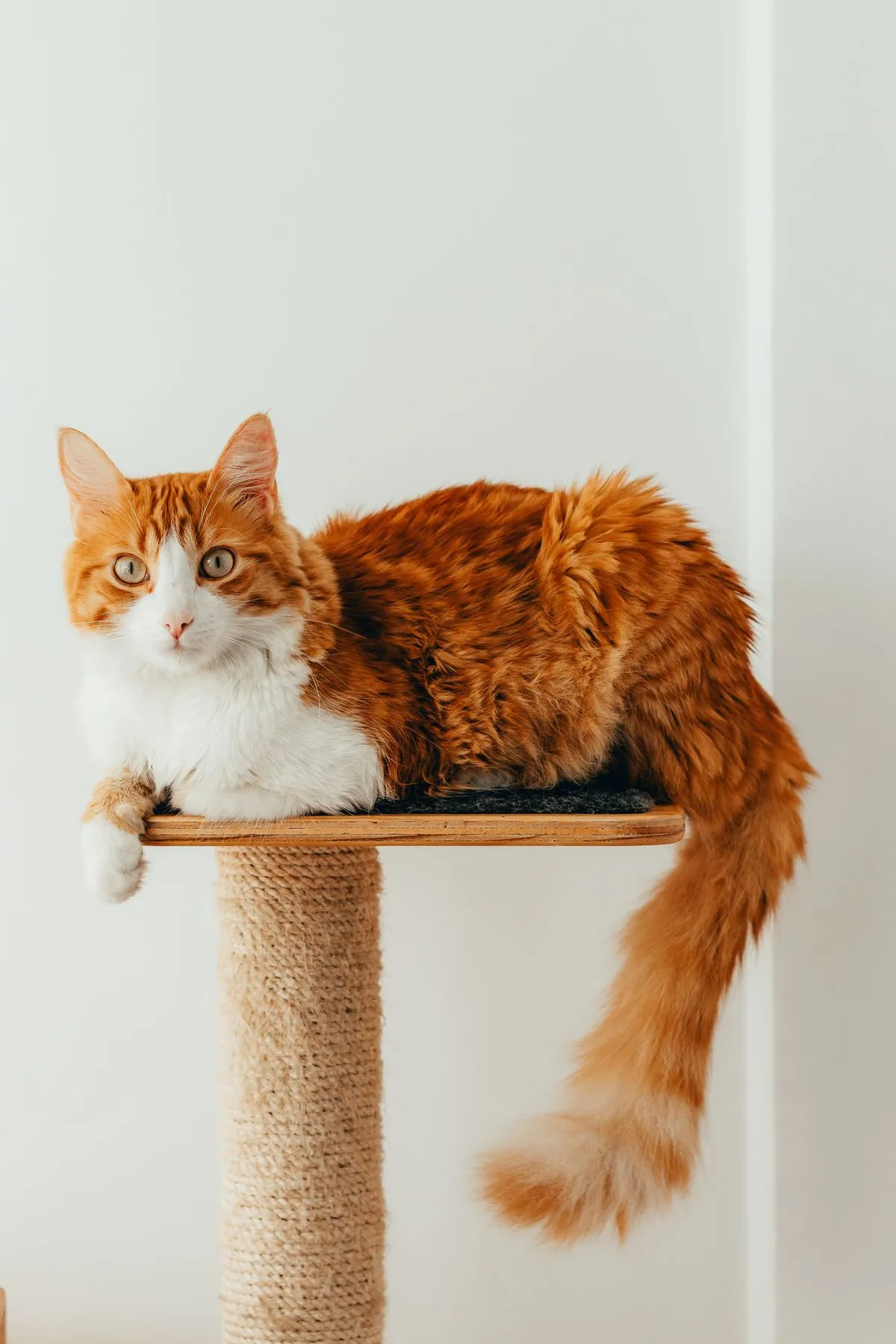
I still remember the sound. That slow, deliberate shrrrik of claws pulling through the arm of my couch at 6 a.m., followed by the most innocent stretch you’ve ever seen. My cat wasn’t being bad. She was doing exactly what cats are wired to do — and my couch was simply the most convenient scratching […]
I still remember the sound. That slow, deliberate shrrrik of claws pulling through the arm of my couch at 6 a.m., followed by the most innocent stretch you’ve ever seen. My cat wasn’t being bad. She was doing exactly what cats are wired to do — and my couch was simply the most convenient scratching surface in the house. If you’re reading this, you know the feeling: you love your cat, but you’re starting to resent your furniture. Here’s how to keep a cat from scratching furniture without punishment, declawing, or losing your mind.
I’ll be honest: I tried the yelling approach first. It accomplished nothing except making my cat scratch the couch the moment I left the room. What actually worked was understanding why she was scratching and giving her something better. That shift — from fighting the behavior to redirecting it — fixed the problem in about three weeks.
Table of Contents
Why Cats Scratch Furniture in the First Place
You can’t solve a problem you don’t understand, so let’s start here. Cats scratch for four reasons, and none of them are spite:
Claw maintenance. The outer sheath of a cat’s claw sheds periodically, and scratching strips it off to reveal the sharp new claw underneath. It’s the feline equivalent of filing your nails.
Stretching. Watch a cat scratch sometime — they reach high, dig in, and pull their whole body into a glorious full-length stretch. Scratching posts double as yoga equipment.
Territory marking. Cats have scent glands in their paw pads. Scratching deposits both a visual mark and a scent mark that says “this is mine.” That’s why they scratch prominent, socially important spots — like the arm of the couch everyone sits on.
Stress relief and emotion. Excitement, frustration, anxiety — scratching burns it off. My cat scratches hardest right after the doorbell rings.
Once you see scratching as a need rather than misbehavior, the whole strategy for how to keep a cat from scratching furniture becomes obvious: don’t try to stop the scratching. Move it somewhere better.
How to Keep a Cat From Scratching Furniture: Get the Right Scratching Post
This is the single biggest factor, and most people get it wrong. A wobbly, carpet-covered mini-post from the discount bin will not compete with your sturdy, tall, satisfying couch. Here’s what actually works:
Tall enough for a full stretch. The post should let your cat reach up with front paws extended overhead — usually at least 28-32 inches for an average cat. Short posts get ignored because they don’t allow the stretch.
Sturdy. If it wobbles, the cat won’t trust it. A post should not move at all when a cat throws its weight into it. Heavy base or wall-mounted beats cute and tippy every time.
The right texture. Most cats prefer sisal rope — it’s rough, shreddable, and satisfying. Some prefer corrugated cardboard (messy but beloved) or natural wood. Watch what your cat targets: couch fabric lovers often like sisal; carpet scratchers may prefer carpet-textured posts.
Vertical AND horizontal options. Some cats are vertical scratchers, some are horizontal. Offer both — a tall post and a flat cardboard scratcher — and let your cat vote with its claws.
I bought three different scratchers before finding the winner. It felt wasteful at the time; it was cheaper than a new couch.
Fix 2: Put the Scratcher Where the Crime Happens
This is the mistake almost everyone makes: they put the beautiful new scratching post in a corner of a room the cat never visits, then wonder why the couch is still getting shredded.
Put the scratcher right next to the furniture your cat is targeting. Like, touching it. If she scratches the left arm of the sofa, the post goes directly beside the left arm of the sofa. You’re not asking her to change her routine — you’re swapping the surface inside the routine she already has.
Once she’s consistently using the post (give it two to three weeks), you can gradually inch it toward a better spot, a foot or two at a time. But start where the scratching happens, not where you’d prefer it to happen. Location beats aesthetics.
Fix 3: Make the Scratcher Irresistible
A new post is just furniture until your cat decides it’s her post. Speed up the process:
- Catnip or silvervine. Rub dried catnip into the sisal or spritz catnip spray on it. About 70% of cats respond to catnip; silvervine works on many of the rest.
- Play near it. Dangle a wand toy around and over the post so your cat grabs the sisal mid-play. One good claw-grab during playtime and many cats are hooked.
- Treats for use. The instant you see her use the post, produce a treat. Timing matters — reward within seconds so she connects the dots.
- Don’t move it. Once she’s using it, that post stays put. Moving it resets the whole process.
Fix 4: Make the Furniture Temporarily Unappealing
While your cat learns to love the post, make the couch boring. The key word is temporarily — these are training wheels, not permanent decor:
- Double-sided sticky tape. StickyPaws and similar products are made for this. Cats hate the tacky feeling on their paws. Apply to the exact spots she targets.
- Foil or plastic. A sheet of aluminum foil draped over the favorite scratching spot is ugly and extremely effective for a week or two.
- A different texture. A throw blanket with a texture cats dislike (smooth, slippery fabrics) breaks the habit loop.
- Citrus or deterrent sprays. Many cats dislike citrus scents. A light spritz of a cat-safe deterrent on the furniture — never on the cat — can help. Test on a hidden patch of fabric first.
Remove the deterrents gradually once the post habit is solid, usually after three to four consistent weeks.
Fix 5: Trim Those Claws Regularly
Trimming won’t stop scratching — nothing stops scratching, nor should it — but it dramatically reduces the damage. Blunt claws can’t shred upholstery the way needle-sharp ones can.
Trim every 2 to 3 weeks. Use proper cat nail clippers, press gently on the paw pad to extend the claw, and clip only the sharp tip — never the pink quick inside, which bleeds and hurts. If your cat hates it, do one paw per day with treats, or trim during a sleepy cuddle session. My vet does it in about ninety seconds for a small fee, and honestly, for nervous owners that’s money well spent.
Claw caps (soft plastic covers glued over the claws) are another option. They last 4-6 weeks, come in fun colors, and make scratching harmless. Some cats tolerate them beautifully; some chew them off within the hour. Worth one try.
Fix 6: Never Punish — Redirect Instead
Yelling, squirting water, clapping loudly — punishment doesn’t teach a cat what to do instead, it just teaches them to scratch when you’re not watching. Worse, it damages trust. A cat that’s afraid of you is a cat with more stress, and stress causes more scratching.
The protocol is boring and it works: when you catch her scratching the couch, calmly pick her up, place her at the scratching post, and gently move her paws in a scratching motion. When she scratches the post — even accidentally — praise and treat immediately. Calm interruption plus rewarding the right choice. That’s the whole training program. Training a pet takes patience, as I learned with nighttime barking — consistency beats intensity every time.
Fix 7: Address Boredom and Stress
A bored cat scratches more. A stressed cat scratches more. Audit your cat’s life:
- Play. Two 10-15 minute interactive play sessions daily (wand toys, not just a ball on the floor) burn the energy that otherwise goes into the couch.
- Enrichment. Window perches, puzzle feeders, cardboard boxes, rotating toys. A cat with a rich environment has less need to remodel your furniture.
- Routine. Cats are creatures of habit. Feeding and play at consistent times lowers baseline anxiety.
- New stressors? New pet, new baby, moved house, changed work schedule — big changes spike scratching. Extra patience and extra play during transitions.
Fix 8: Try Pheromone Products
Feliway and similar products mimic the feline facial pheromone — the “I’m happy here” scent cats deposit when they rub their cheeks on things. Cats naturally avoid scratching where they’ve cheek-marked, so spraying the synthetic pheromone on the furniture can reduce the urge to scratch there.
The evidence is mixed but the risk is zero: it’s odorless to humans, non-sedating, and safe. A diffuser in the room plus spray on the target furniture is the usual combo. It worked as a supporting player in my household — not a miracle, but it took the edge off during the retraining weeks.
Fix 9: Protect the Furniture During Retraining
While the new habits form, protect your investment:
- Furniture covers and throws. A washable slipcover on the targeted piece buys you peace of mind.
- Scratch guards. Clear vinyl panels that stick to couch arms — nearly invisible, and claws can’t get purchase on them.
- Strategic placement. If she targets one chair, move it away from her favorite lounging spot temporarily.
And repair existing damage only after the habit has shifted — otherwise you’re just providing fresh canvas.
What NOT to Do: Declawing
I need to say this clearly because it still comes up: do not declaw your cat to protect furniture. Declawing isn’t nail removal — it’s amputation of the last bone of each toe. It causes chronic pain, changes how cats walk, and is linked to increased biting and litter-box avoidance. It’s banned or condemned by veterinary associations in many countries for good reason. Every fix above works without it. If scratching feels unmanageable, talk to your vet about claw caps or a referral to a feline behaviorist before ever considering surgery. PetMD’s veterinary guide to stopping cats from scratching furniture covers the same ground with clinical backing.
The Bottom Line: How to Keep a Cat From Scratching Furniture
Here’s the whole playbook in one paragraph: buy a tall, sturdy sisal post (plus a horizontal scratcher), put it directly beside the furniture she’s targeting, make it irresistible with catnip and treats, make the couch temporarily unappealing with sticky tape or foil, trim her claws every few weeks, and never punish — redirect and reward. Most cats turn the corner in two to four weeks. Mine did, and my couch has been intact for two years now. The scratching never stopped, by the way. It just moved to the post, which is exactly where it belongs.
Frequently Asked Questions
Why does my cat scratch furniture even though she has a scratching post?
Usually the post is wrong in one of three ways: too short for a full stretch, too wobbly to trust, or in the wrong location. Move it right next to the furniture she’s targeting, make sure it’s tall and rock-solid, and try a different texture — most cats prefer sisal rope over carpet.
How do I keep a cat from scratching a leather couch specifically?
Leather is a favorite target because it’s cool and smooth. Cover the scratched areas with a throw or clear vinyl scratch guards during retraining, apply double-sided sticky tape to the exact spots, and place a tall sisal post immediately beside the couch. Trim claws religiously — blunt claws can’t puncture leather.
Does vinegar or citrus spray stop cats from scratching furniture?
Many cats dislike citrus scents, so a light spritz of diluted citrus or a commercial cat-safe deterrent spray can make furniture less appealing as a temporary aid. It’s not a standalone solution — it works best paired with an attractive scratching post placed nearby. Always test sprays on a hidden fabric patch first.
How long does it take to train a cat to stop scratching furniture?
Most cats show real progress in 2 to 4 weeks of consistent redirection, once they have an appealing post in the right location. Older cats with deeply ingrained habits can take 6 to 8 weeks. Consistency matters more than speed — every family member needs to follow the same redirect-and-reward routine.
Are claw caps safe for cats?
Yes, when applied correctly. Soft claw caps are glued over the trimmed claw and fall off naturally as the nail sheds, typically lasting 4 to 6 weeks. They’re non-toxic and don’t interfere with normal paw retraction. Some cats chew them off; most tolerate them fine. Ask your vet to apply the first set so you can learn the technique.
My cat only scratches furniture at night — what should I do?
Nighttime scratching is usually a burst of energy or attention-seeking. Add a vigorous play session right before bed to tire her out, make sure she has an appealing scratcher available overnight, and don’t reward the behavior with attention (even negative attention). Most night scratchers settle within a couple of weeks of a better bedtime routine.